Why the Earliest Years Matter Most
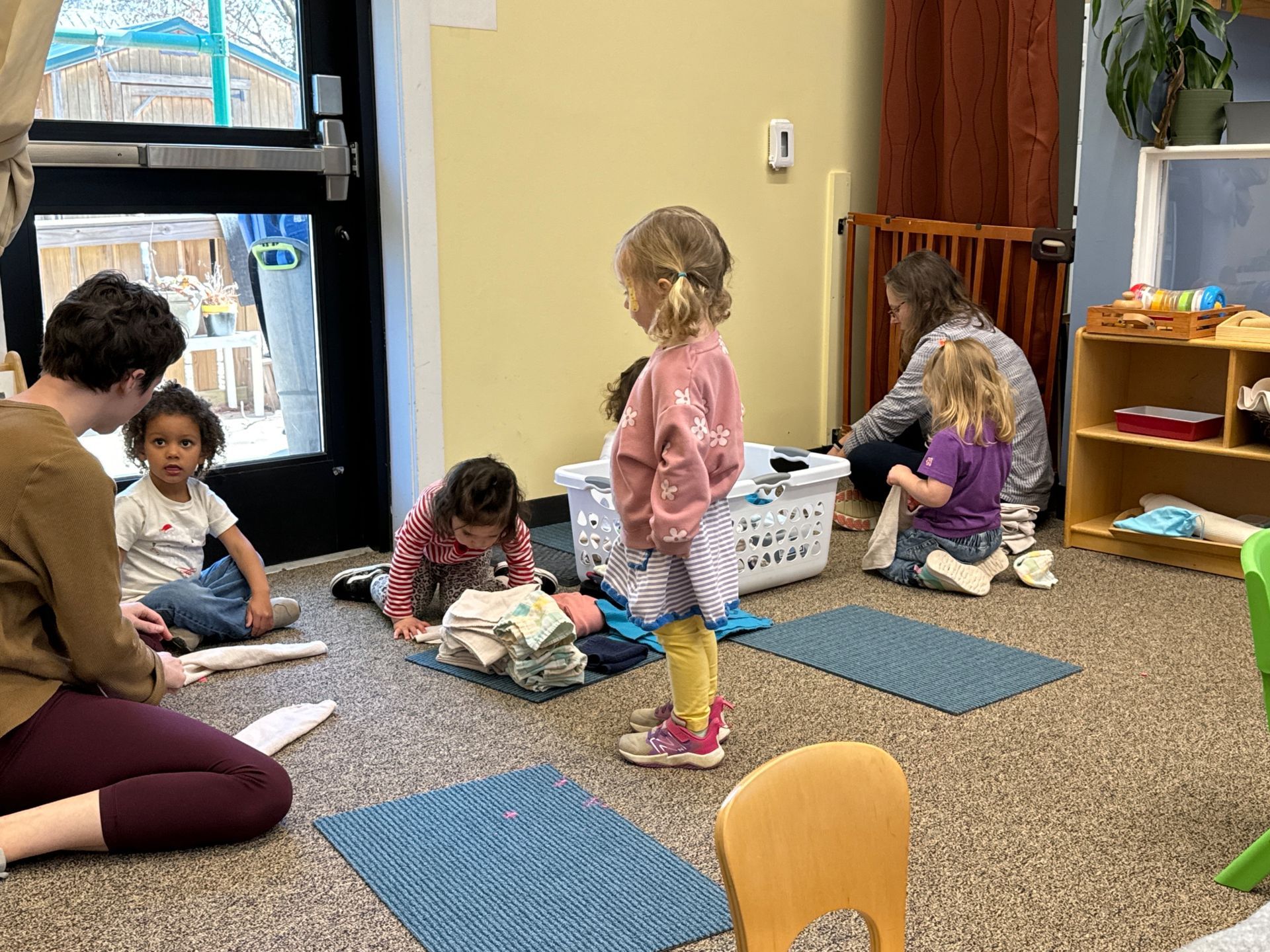
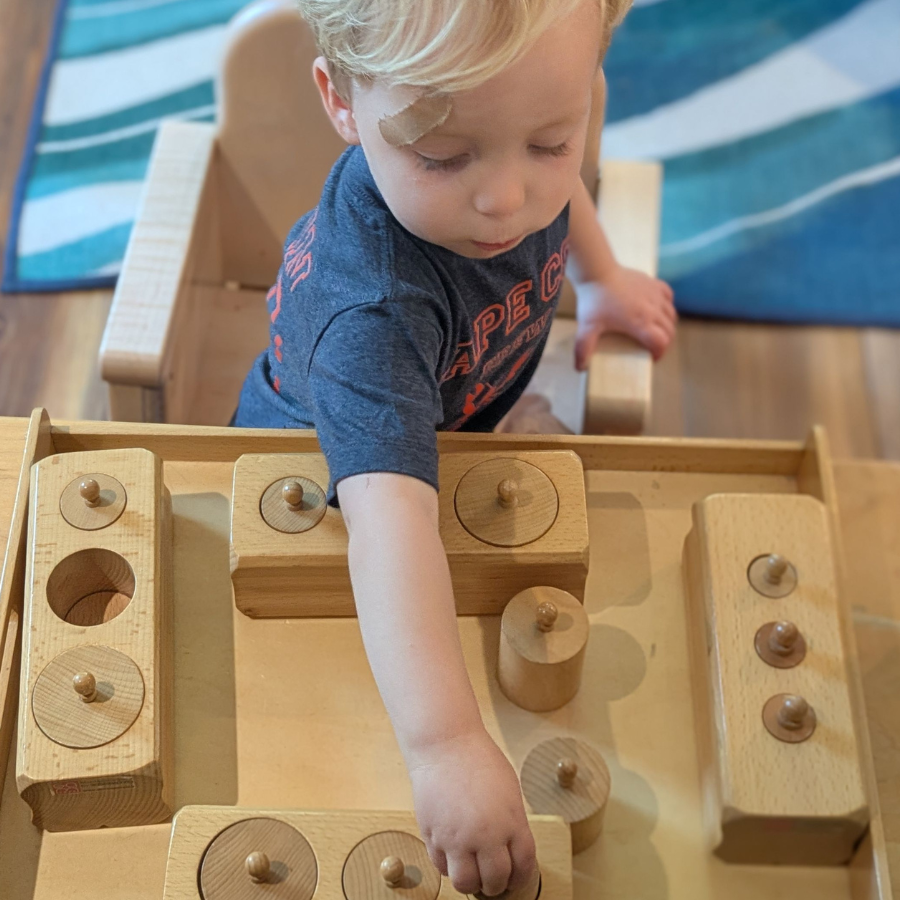
Walk into a Providence Toddler Community, and you won't see flashcards or worksheets. You'll see an 18-month-old carefully pouring water from a small pitcher, a two-year-old buttoning a fabric frame just to feel it click into place, a child returning a work to its exact spot on the shelf without being asked. It looks simple. It is anything but!
The Brain's Most Absorbent Years
Dr. Maria Montessori called the first three years of life the period of the "absorbent mind" . This is a stretch of development when a child takes in their environment more completely, and more permanently, than at any other point in life. The habits, language, and sense of order a toddler absorbs now become the foundation everything else is built on.
Starting Montessori this early isn't about getting a head start academically. It's about meeting a child during the exact window when independence, concentration, and a love of learning are easiest to nurture.
What a Toddler Day at Providence Actually Looks Like
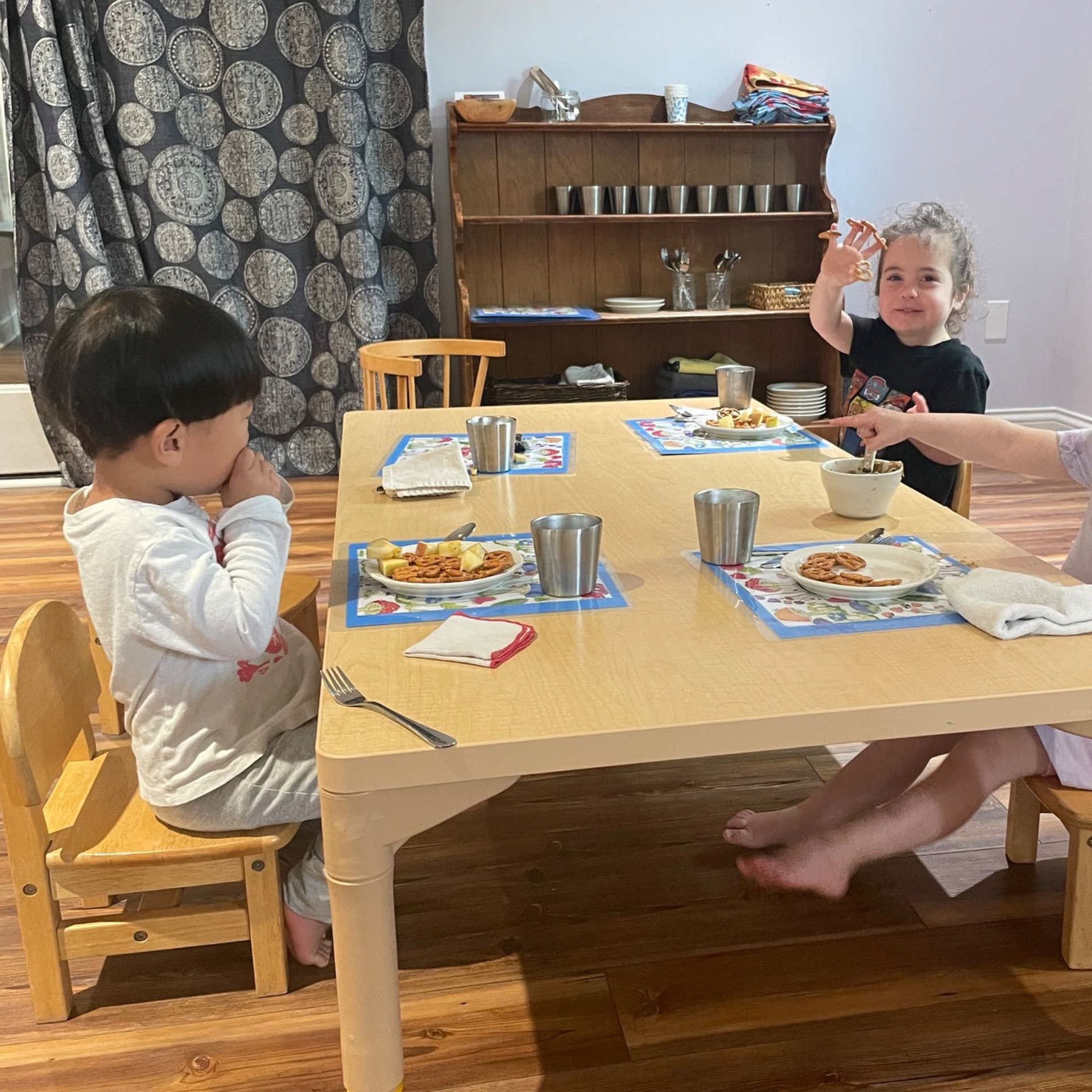
Our Toddler Community is built around one core belief: a child this age wants to do things for themselves, and our job is to make that possible. That looks like:
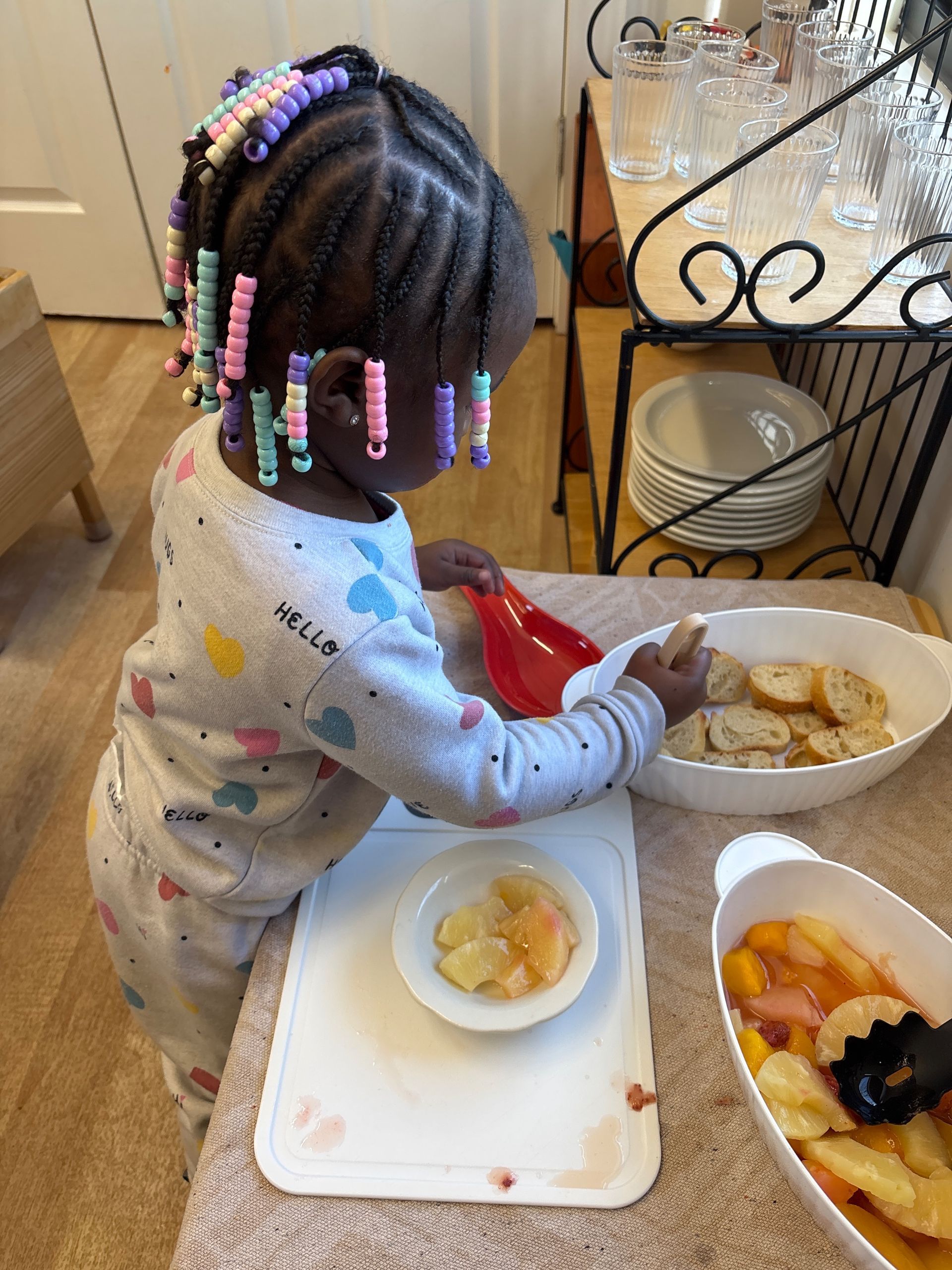
- Practical life work — pouring, spooning, washing, dressing. This builds fine motor control and, more importantly, a felt sense of "I can do this."
- A prepared environment sized to the child, so reaching a shelf or hanging up a coat doesn't require an adult's help.
- Uninterrupted work time, so a child can return to the same activity as many times as they need to fully master it.
- Real trust — Using real glass and real tools because children rise to the expectations we set for them, even at eighteen months old.
Why It's Hard to Recreate Later
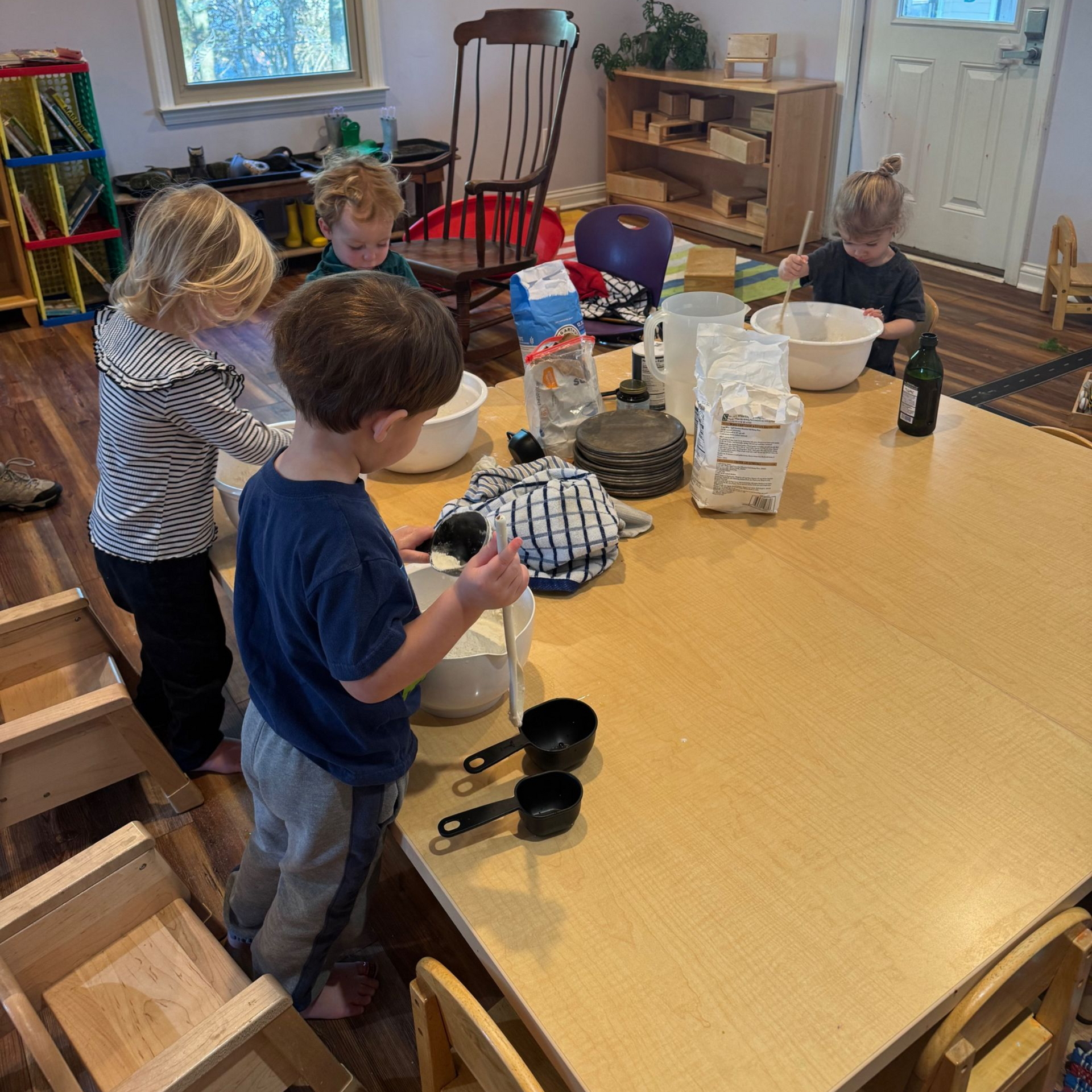
A three- or four-year-old can still build independence and concentration, but a toddler is neurologically primed for it in a way that simply doesn't repeat. The window doesn't close, but it does narrow. Starting early means a child enters Primary already fluent in the classroom's rhythms: how to choose work, how to finish it, how to care for their space and the people in it.
Supporting the Toddler Years at Home
Toddlers want to help. They can carry the laundry basket, stir the batter, or sweep the crumbs. This is a phase of life that should be nurtured.
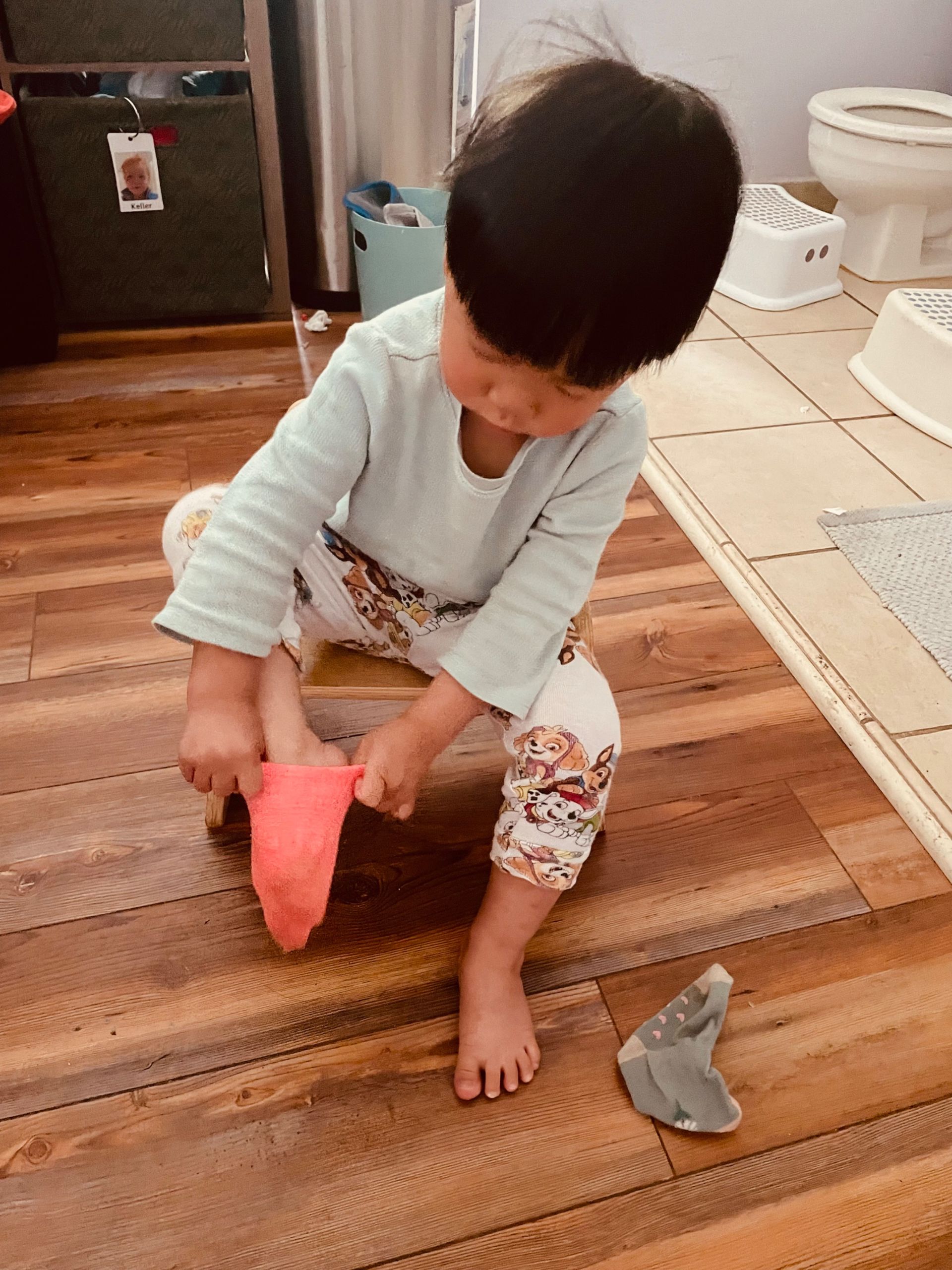
This extends to something we care about deeply: independence in routines like dressing and toileting. At school, we let children lead these moments themselves, and if a diaper goes on backwards, or a shirt is inside out, or shoes end up on the wrong feet, that's more than okay. The goal isn't a perfect result; it's the child's own sense of capability. Often, we'll simply ask, "Does that feel okay to you?" If they say yes, we let it be. If they say no, we guide them to fix it together — but the choice, and the doing, stays theirs.
You can bring this same spirit home. Let your toddler choose between two outfits and put them on themselves, even imperfectly. Ask "does that feel okay?" instead of correcting on sight. If you're cooking dinner, hand them a real task like snapping green beans or stirring a bowl. Let it be slower and messier than doing it yourself.
Seeing It for Yourself
There's a version of this that's easy to read and hard to picture until you've watched it happen. If you're considering Providence for your toddler, please visit our website and click the "Inquire" button. Current Providence families are always welcome to schedule a classroom observation by calling the front office at (859) 255-7330.